
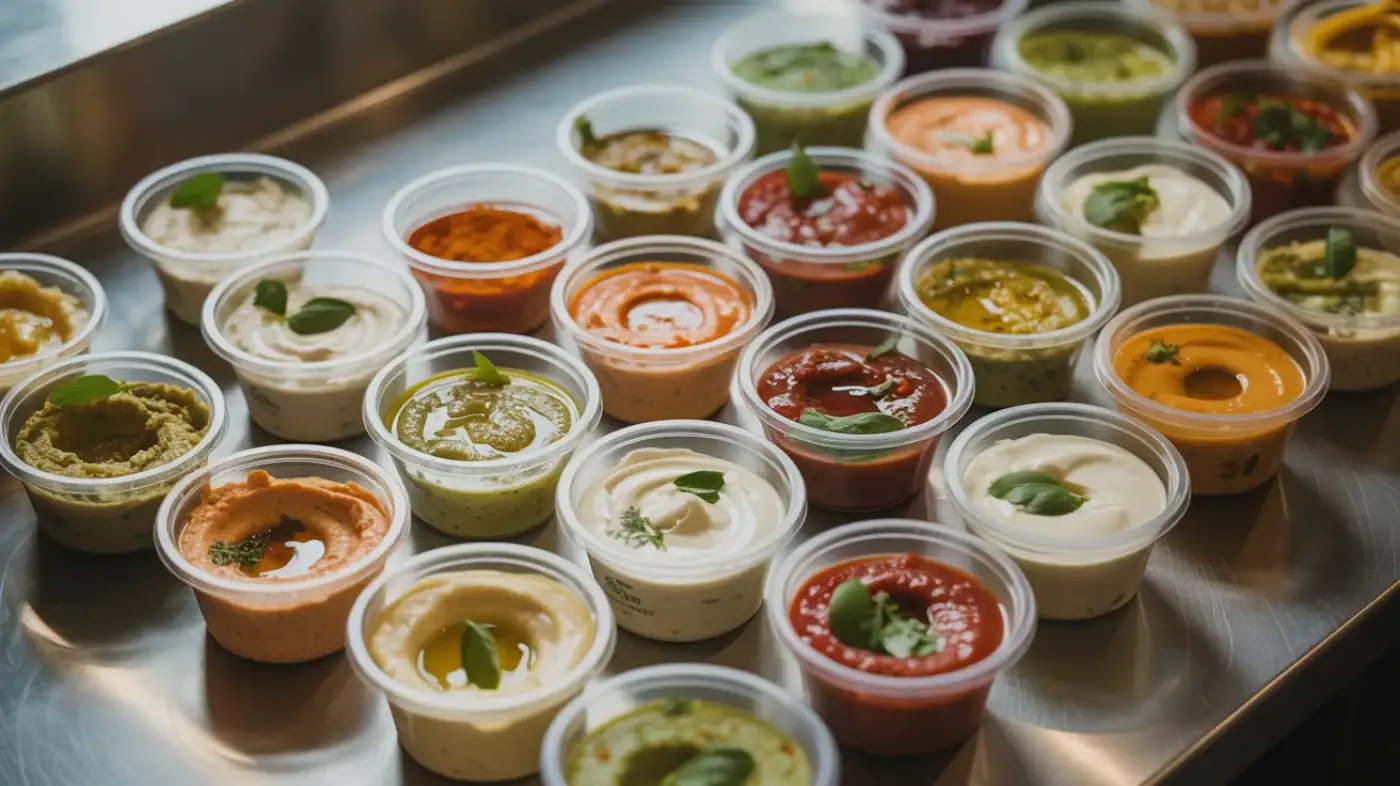
Baby Food & Infant Meal Filling Machine
The highest hygiene standards for the most demanding product category. The SDH-R packages baby food purées with pharma-grade sanitation and traceability.
Baby food is the most regulation-intensive category in cup-format food packaging. Every production run must meet the strictest hygiene standards, complete traceability from batch to individual cup, and allergen-control protocols that prevent cross-contamination. The SDH-R's 304 stainless steel construction, integrated CIP system, and PLC-based batch tracking deliver the compliance infrastructure that baby food producers require.
Safety-First Design for Infant Nutrition
Pharma-Grade Hygiene
Full 304 stainless steel with electropolished product-contact surfaces. CIP system cleans to dairy-grade standards. Tool-free disassembly for visual inspection.
Allergen Changeover Protocol
Complete strip-down and CIP wash between allergen groups. PLC prompts operator through validated changeover steps to prevent cross-contamination.
Batch Traceability
PLC logs batch number, fill weights, seal integrity, and timestamp for every production run. Exportable data supports HACCP and regulatory audit trails.
Gentle Purée Handling
Servo piston fills smooth purées and chunky textured meals without air incorporation. Consistent fill weights ±0.5% meet the tight tolerances required for infant portion sizes.
SDH-R Configuration for Baby Food
Products We Fill
Available In These Markets
How the SDH-R Fills Baby Food
Fully automatic process from empty cup to sealed product — no manual labour required
Cup Denesting
Empty cups are automatically separated from a nested stack and placed into the rotary table carriers. The pneumatic denester handles round, square, and rectangular cups from 2oz to 32oz — ideal for the standard baby food cup formats your customers expect.
Servo-Driven Filling
The volumetric piston filler draws a precise dose of baby food and dispenses it into the cup. Servo control adjusts stroke length and speed per recipe, maintaining ±0.5% fill-weight accuracy across production runs. The PLC stores recipes for quick changeovers between product variants.
Membrane Heat Sealing
Roll-stock film is drawn across the filled cup and heat-sealed to create a tamper-evident, airtight membrane. Sealing temperature, pressure, and dwell time are individually controlled to match your specific film and cup material combination.
Snap-On Lid (Optional)
A pick-and-place mechanism applies a consumer-friendly snap-on plastic lid over the membrane seal. This two-barrier system provides both tamper evidence and reclosability — the standard expected by grocery retailers and foodservice distributors.
MAP Nitrogen Flush (Optional)
Modified Atmosphere Packaging replaces oxygen in the headspace with food-grade nitrogen immediately before sealing. For baby food, this typically extends refrigerated shelf life from 7–10 days to 30–45+ days — a requirement for most retail distribution channels.
Baby Food Filling Machine Scope: Fresh Purees, Small Portions and Process Limits
A baby food filling machine should be judged first on the process your product goes through, and only then on how well it fills. The SDH-R is a rotary cup filling, sealing and lidding machine for fresh, refrigerated purees in pre-formed cups. It is not a retort, aseptic or high-pressure processing (HPP) system, and shelf-stable baby food made by those processes needs that dedicated equipment. Being clear about this at the start saves months of product development.
Where the SDH-R fits, and where it does not
Baby food formats and SDH-R process fit
| Baby food format | Process required | SDH-R fit |
|---|---|---|
| Fresh refrigerated puree cups | Cold chain and a validated refrigerated shelf life | Designed for this |
| Shelf-stable cups or jars | Retort sterilization after sealing | Not a retort system |
| Aseptic purees | Sterile product filled into sterile packs | Not an aseptic filler |
| HPP-treated purees | High-pressure processing after sealing | Separate HPP process; not claimed |
Filling small portions accurately
Infant portions are small, typically 2 oz or 4 oz, so a few grams of variation is a large share of the serving. The SDH-R's standard fill range starts at 50 g, which puts a 2 oz cup (about 57 g) at the low end of the range, to be trialed on your puree; 4 oz cups sit comfortably within it. The servo-driven volumetric piston holds ±0.5% fill-weight accuracy, and the optional weight checker with feedback loop corrects drift before it reaches declared net weight. Smooth Stage 1 purees dose much like a smooth sauce, while Stage 2 purees with soft pieces need large-bore valving so pieces pass without blocking the valve.
Hygiene, sealing and traceability
Parents open these cups by hand, so the membrane must peel cleanly yet stay intact through distribution. A suck-back nozzle keeps puree off the flange, and seal temperature, pressure and dwell are stored per recipe for each cup and film combination. A variable data coding device can print lot and use-by codes on every cup, which your recall and traceability procedures depend on. The product path is food-grade 304 stainless steel with CIP and tool-free strip-down, designed to support plants operating under HACCP, BRCGS or SQF and FSMA preventive controls. Ingredient hazards, including FDA's action levels for lead in processed baby foods (final guidance, January 2025), are controlled through sourcing and testing rather than at the filler.
Oxygen, browning and low-acid purees
Fruit purees such as apple, pear and banana brown as they oxidize, and nitrogen flushing to 0.3–0.4% residual oxygen helps protect color and flavor; our MAP cup filling machine page explains the nitrogen system. Vegetable purees are usually low-acid (above pH 4.6). In a reduced-oxygen package they need strict refrigeration and a validated shelf life in your food safety plan, because MAP alone is not a pathogen control. If your product is fresh and refrigerated, send us your puree, cup size and target output and our engineering team will configure the line.
Baby Food & Infant Meal Filling Machine — Frequently Asked Questions
No. The SDH-R baby food filling machine fills and seals fresh, refrigerated purees in pre-formed cups. Shelf-stable baby food requires a retort or aseptic process, and HPP-treated purees require high-pressure processing equipment; the SDH-R is none of these. It suits brands selling chilled purees through a cold chain, where optional nitrogen MAP can extend typical refrigerated life from roughly 7–10 days to 30–45+ days, depending on the product.
The SDH-R baby food filling machine starts from $45,000 USD in a single-filler configuration that fills one puree into cups and heat-seals a membrane. Nitrogen MAP flushing, lid placement, a weight checker with feedback loop, variable data coding and custom cup tooling add to the price. Delivery is 8–12 weeks from order confirmation with a 12-month warranty; request a baby food line quote with your cup size and target output.
The SDH-R fills up to 30 cups per minute on a dry cycle and typically 18–25 cups per minute in production, depending on puree viscosity, cup size, fill weight and options such as MAP and lid placement. That output suits fresh baby food brands moving beyond hand-filling; producers needing far higher single-SKU volume should consider an inline cup filling machine.
The SDH-R is built in food-grade 304 stainless steel with a CIP (clean-in-place) system and tool-free strip-down of product-contact parts. Between baby food recipes, operators clean the product path; between allergen groups, such as purees containing milk and purees without major allergens, they complete a full clean with documented verification under the plant's HACCP or FSMA preventive controls plan.
Yes, as an option. The SDH-R can integrate variable data coding devices to print lot numbers and use-by dates, plus top and side labeling equipment. Coding every cup ties it to a production batch, which supports the traceability and recall procedures that retailers and regulators expect from baby food producers. The coder and label specification are confirmed with our engineering team when the line is configured.
Yes, for fresh refrigerated products. The SDH-R can carry up to three fillers, so a fruit puree layer and a yogurt layer can be deposited in one pass before the membrane seal. Milk makes these cups allergen-bearing, so schedule them after purees without major allergens. For yogurt texture and whey control, see our yogurt cup filling machine application page.
Ready to Package Baby Food?
Get a personalized SDH-R configuration quote for your product and production volume.