
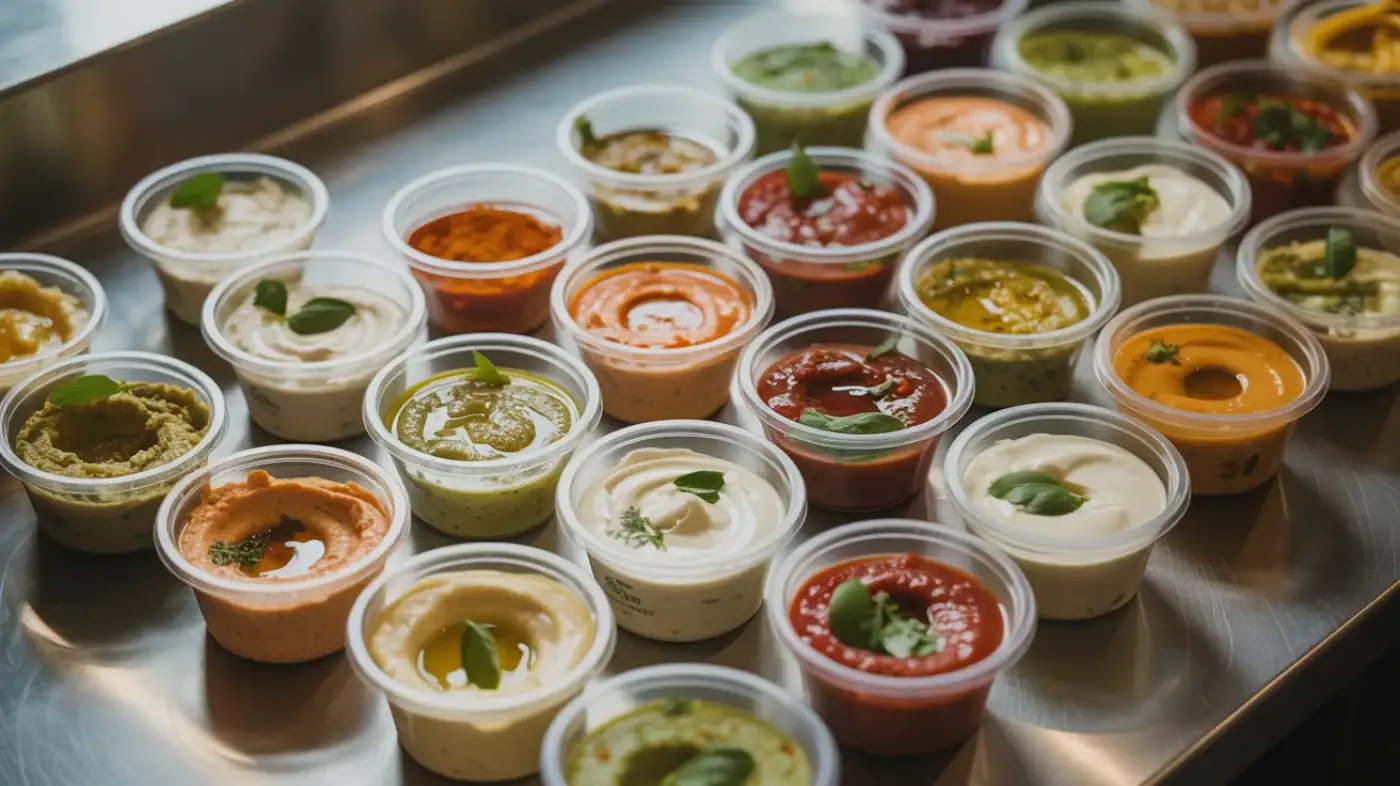
Plant-Based & Vegan Dip Filling Machine
The fastest-growing dip category deserves purpose-built packaging. Fill vegan cream cheese, cashew spreads, and plant-based yogurts at production scale.
The plant-based dip and spread market is projected to grow at 12%+ annually through 2030. Vegan cream cheese, cashew-based spreads, coconut yogurt, oat-based dips, and almond ricotta are entering retail at unprecedented rates. The SDH-R gives plant-based food startups and scaling brands the same automated cup-packaging capability that legacy dairy companies use — at an accessible $45,000 entry point.
Why Plant-Based Brands Choose the SDH-R
Startup-Accessible Automation
At $45,000 for a single filler configuration, the SDH-R is within reach of VC-funded and bootstrapped plant-based startups scaling from farmers' markets to retail shelves.
Multi-Product Versatility
Fill cashew cream cheese, then coconut yogurt, then almond ricotta on the same machine. PLC recipe storage and 15-minute changeovers support multi-SKU product lines.
Allergen Segregation
Validated CIP and tool-free disassembly ensure complete cleaning between nut-based, soy-based, and oat-based products for allergen-safe production.
Clean Label Packaging
MAP nitrogen flushing extends shelf life without preservatives — aligning with the clean-label expectations of plant-based consumers.
SDH-R Configuration for Plant-Based
Products We Fill
Available In These Markets
How the SDH-R Fills Plant-Based
Fully automatic process from empty cup to sealed product — no manual labour required
Cup Denesting
Empty cups are automatically separated from a nested stack and placed into the rotary table carriers. The pneumatic denester handles round, square, and rectangular cups from 2oz to 32oz — ideal for the standard plant-based cup formats your customers expect.
Servo-Driven Filling
The volumetric piston filler draws a precise dose of plant-based and dispenses it into the cup. Servo control adjusts stroke length and speed per recipe, maintaining ±0.5% fill-weight accuracy across production runs. The PLC stores recipes for quick changeovers between product variants.
Membrane Heat Sealing
Roll-stock film is drawn across the filled cup and heat-sealed to create a tamper-evident, airtight membrane. Sealing temperature, pressure, and dwell time are individually controlled to match your specific film and cup material combination.
Snap-On Lid (Optional)
A pick-and-place mechanism applies a consumer-friendly snap-on plastic lid over the membrane seal. This two-barrier system provides both tamper evidence and reclosability — the standard expected by grocery retailers and foodservice distributors.
MAP Nitrogen Flush (Optional)
Modified Atmosphere Packaging replaces oxygen in the headspace with food-grade nitrogen immediately before sealing. For plant-based, this typically extends refrigerated shelf life from 7–10 days to 30–45+ days — a requirement for most retail distribution channels.
Plant-Based Dip Filling Machine Guide: Formulation, Allergens and Shelf Life
Plant-based dips rarely behave like the dairy products they replace. Their texture comes from nuts, legumes, starches, gums and plant fats rather than milk protein, and each of those ingredients changes how the product doses, cuts off and seals. The SDH-R is the same rotary platform we build as a dip filling and sealing machine for hummus and salsa; configuring it as a plant-based dip filling machine is mostly about matching the filler to the formulation, then building allergen control and shelf life around the run plan.
How common plant-based bases behave on the filler
Plant-based bases and what they mean for filling
| Base | Line behavior | SDH-R setup focus |
|---|---|---|
| Cashew or almond cultured spread | Thick, sticky, prone to stringing | Piston discharge profile; suck-back nozzle |
| Coconut-oil vegan cream cheese | Firms quickly as it cools | Fixed fill temperature, confirmed before quoting |
| Oat or soy dip with starch or gums | Shear-thinning, can hold air | Gentle feed; avoid over-mixing before the hopper |
| Chickpea, bean or vegetable dip | Paste with possible particulates | Large-bore valving for herbs and pieces |
Aeration deserves special attention. Gum-stabilized dips and whipped plant-based spreads hold air, and entrained air means a piston filling by volume delivers less product by weight. Deaerating upstream, or simply keeping mixing and pumping gentle, protects the ±0.5% fill-weight accuracy the servo piston can hold, and the optional weight checker with feedback loop catches drift before it becomes a short-fill problem.
Allergen control for free-from brands
Consumers often buy plant-based products specifically to avoid milk, yet many recipes replace it with tree nuts, soy, sesame or peanuts, all major allergens under FALCPA. If the same SDH-R also runs dairy, a cashew spread can pick up milk through cross-contact unless the clean between runs is validated. Use the CIP system and tool-free strip-down, verify the clean (for example with allergen swabs), and schedule runs from the least to the most allergenic product. Nut-based bases share many of the handling issues covered on our nut butter cup filling page.
Shelf life without preservatives
Clean-label plant-based dips often run without preservatives, which makes oxygen and temperature control more important. Optional nitrogen flushing reduces residual oxygen to 0.3–0.4% and can extend typical refrigerated life from roughly 7–10 days to 30–45+ days, depending on the product. Treat MAP as a quality tool rather than a safety step: a nitrogen-flushed cup is a reduced-oxygen package, and for low-acid refrigerated dips (above pH 4.6) your preventive controls plan under 21 CFR Part 117 must address Clostridium botulinum through cold-chain control, formulation and a validated shelf life. Our guide to MAP nitrogen flushing and dip shelf life goes deeper.
Be candid with yourself about fit, as we are with you. Frozen plant-based desserts fall outside what the SDH-R is claimed for; its target is fresh, refrigerated cups filled at a pumpable temperature. For formulations at the edges of viscosity, fill temperature or particulate size, send us your formulation details and our engineering team will confirm fit before quoting, usually within about 24 hours.
Plant-Based & Vegan Dip Filling Machine — Frequently Asked Questions
For fresh, refrigerated plant-based dips in cups, a servo-driven piston filler on a rotary cup filling and sealing machine suits most products. The Hummus Pack SDH-R fills 50–500 g at ±0.5% accuracy at up to 30 cups per minute, seals a membrane and can add nitrogen MAP and lids. Single-SKU lines needing more than 30 cups per minute are better served by an inline cup filling machine.
The SDH-R plant-based dip filling machine starts from $45,000 USD for a single-filler configuration that fills one base product into cups and seals them. Second or third fillers for toppings, nitrogen MAP flushing, lid placement, coding, labeling and custom cup tooling increase the price. Delivery is 8–12 weeks from order confirmation, and each machine carries a 12-month warranty from our Calgary, Alberta team.
Yes. The SDH-R's servo-driven volumetric piston handles thick, sticky plant-based spreads such as cashew-based cheese and coconut-oil vegan cream cheese, using a suck-back or cut-off nozzle to control stringing. Fats such as coconut oil firm up as they cool, so the fill temperature is confirmed with our engineering team before quoting. Comparable dairy settings are covered on our cream cheese filling machine page.
Yes, within limits. Large-bore valving lets the SDH-R's piston filler pass particulates such as herbs, shredded cucumber in a vegan tzatziki or finely diced vegetables, and an optional garnish filler can place seeds, nuts or chunky toppings on the surface. The maximum piece size depends on the valve and nozzle, so send our engineering team your ingredient specification before quoting.
Changeover between SKUs on the SDH-R takes under about 15 minutes when the cup format stays the same. Each plant-based formulation is stored as an HMI recipe with its piston stroke, fill speed and seal settings, so the operator recalls settings rather than re-tuning them. A change of cup size adds change-part swaps, and an allergen change adds a full clean and verification.
It can be. The SDH-R starts from $45,000 USD, fits a 44 × 52 in footprint at 65.6 in high, and replaces hand-filling with an automatic line that typically runs 18–25 cups per minute in production. It suits brands moving from manual filling to retail volumes. A startup filling only a few hundred cups a day may not need automation yet, and we will tell you so.
Ready to Package Plant-Based?
Get a personalized SDH-R configuration quote for your product and production volume.